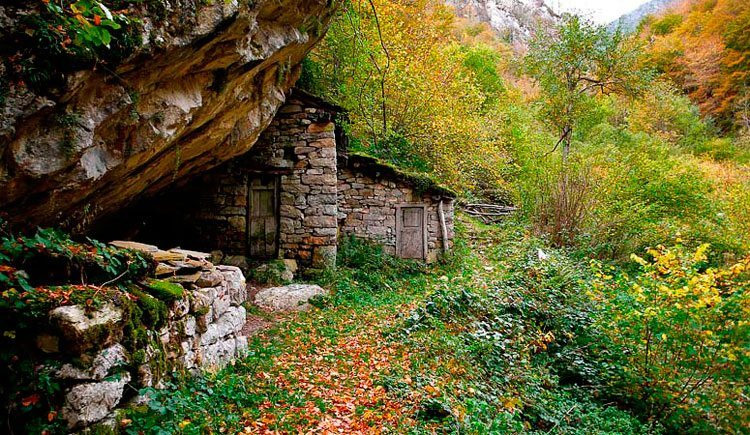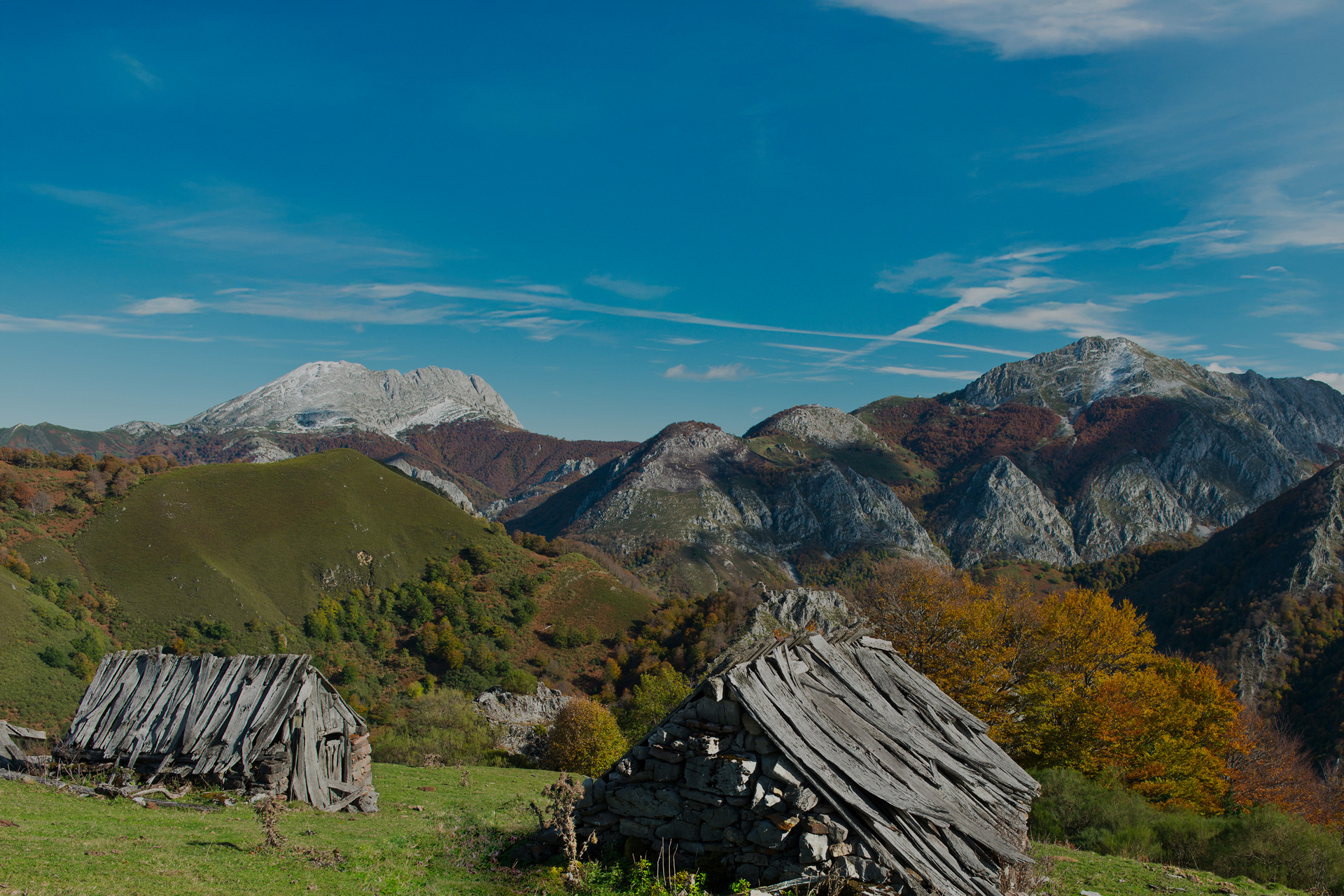
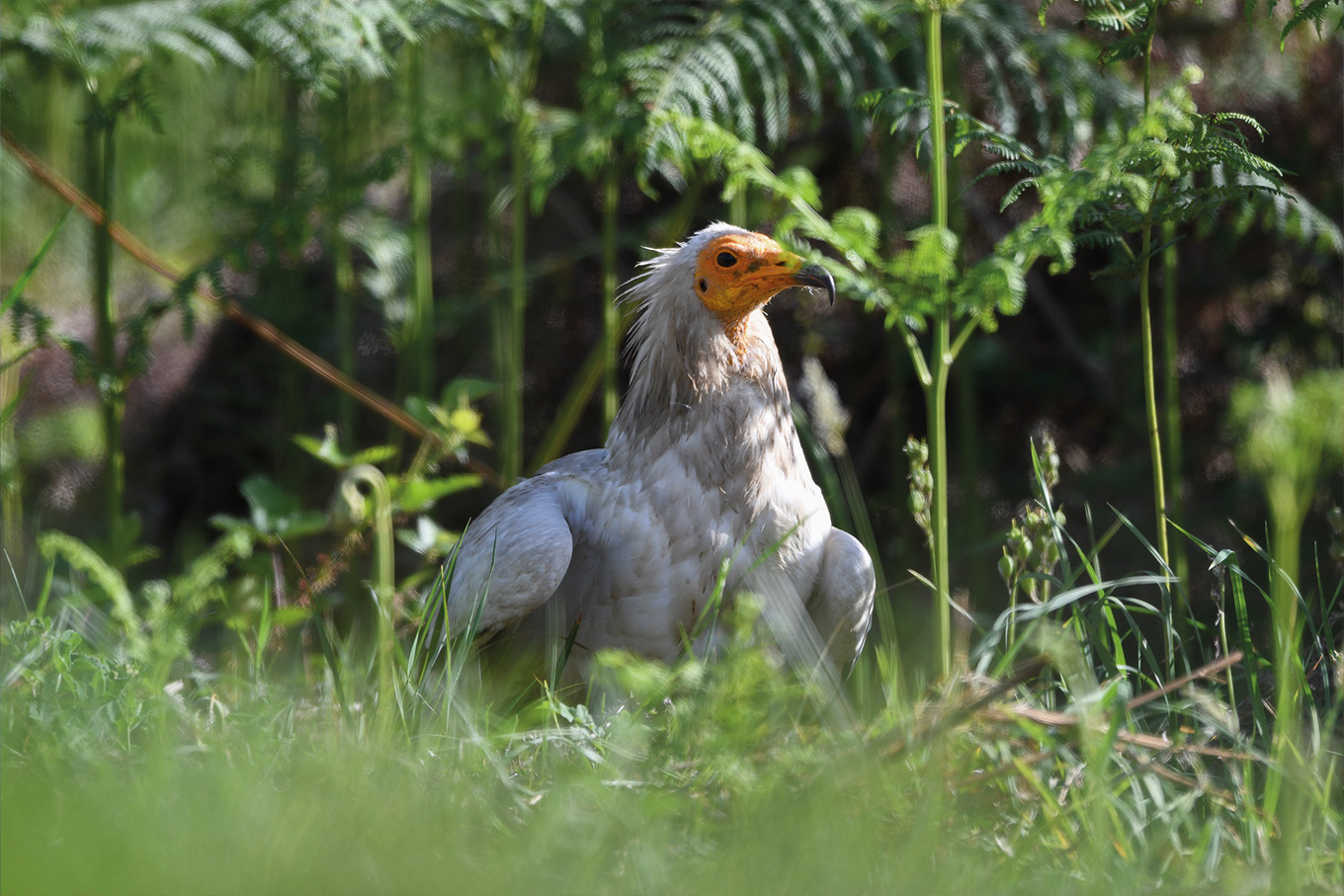
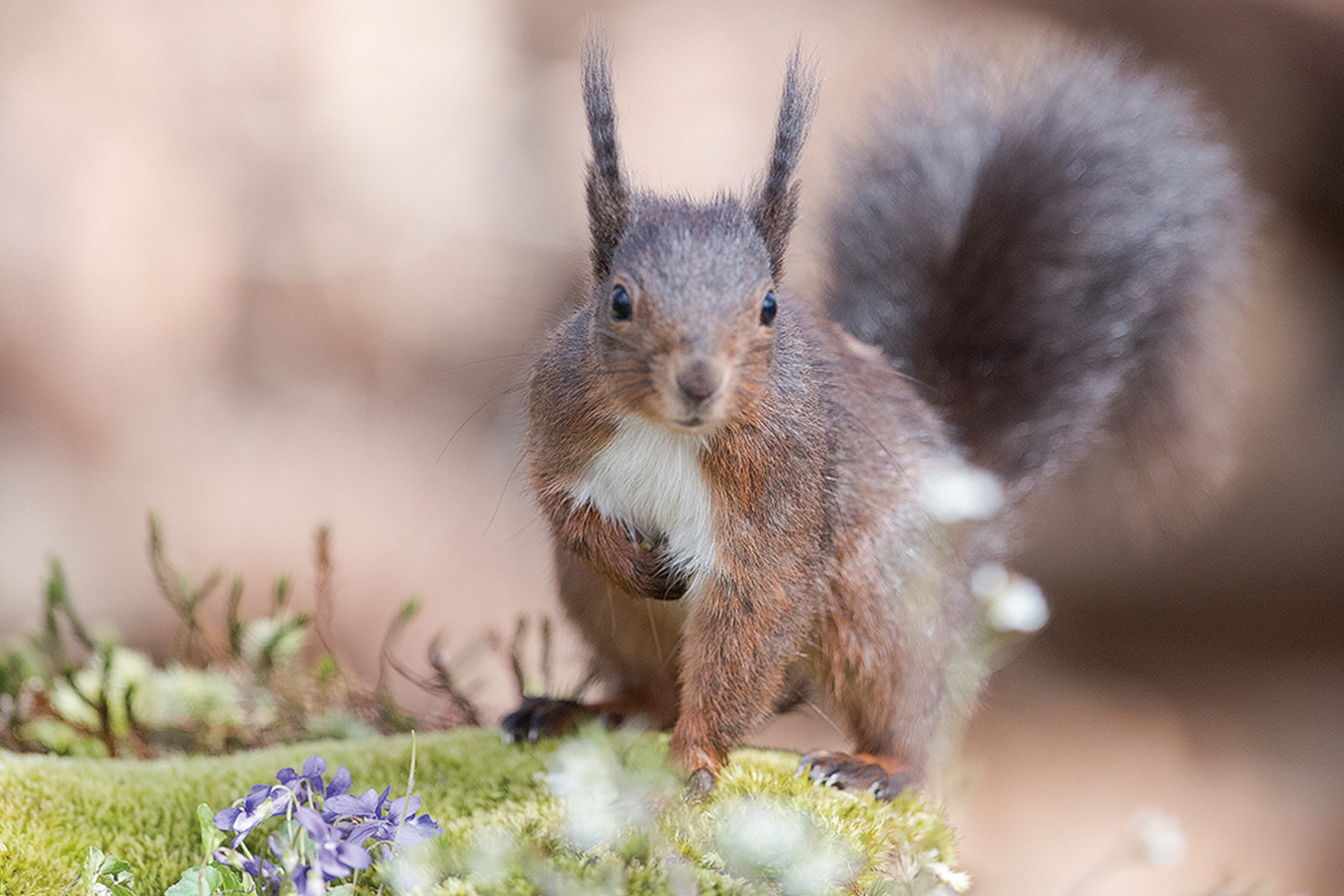
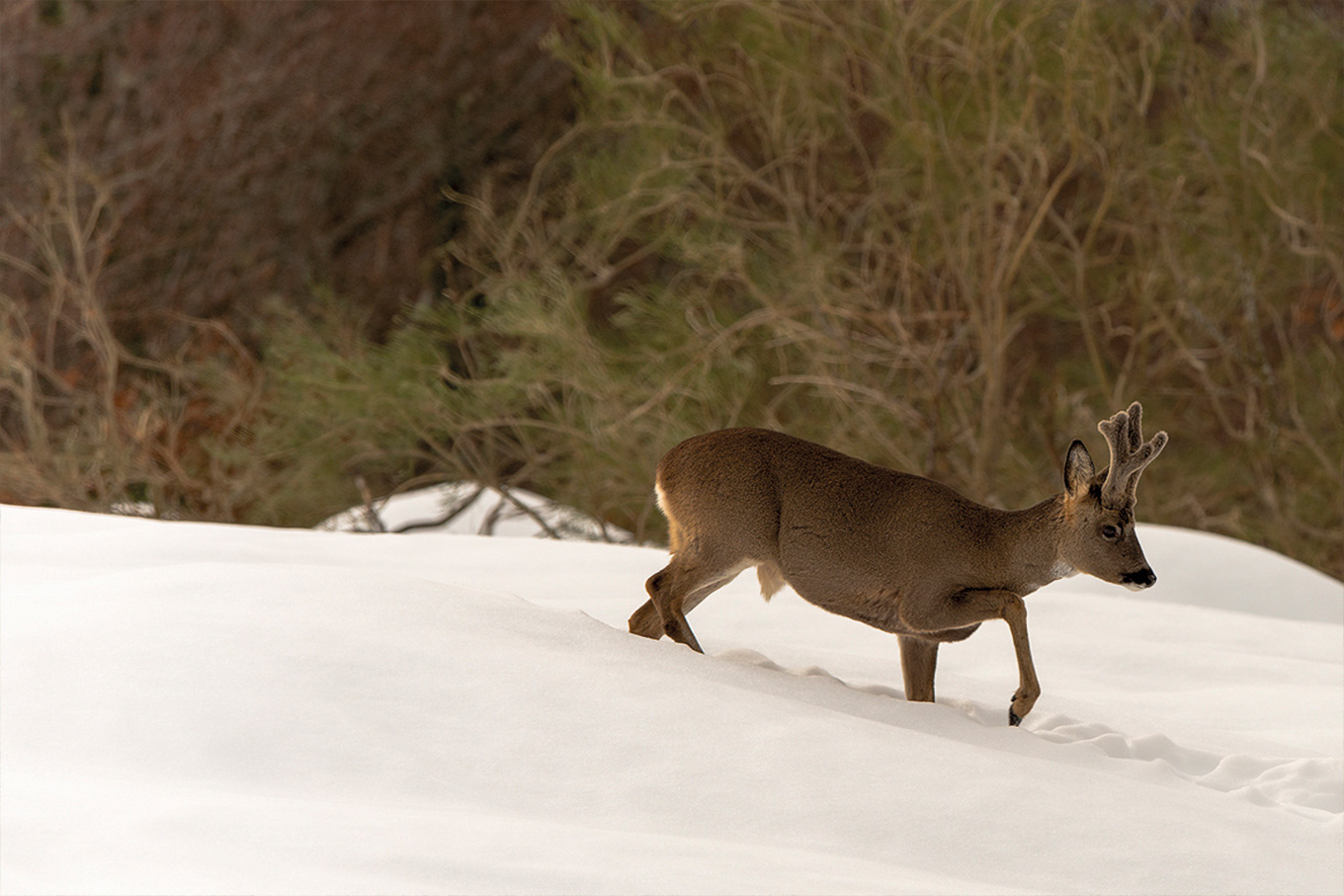
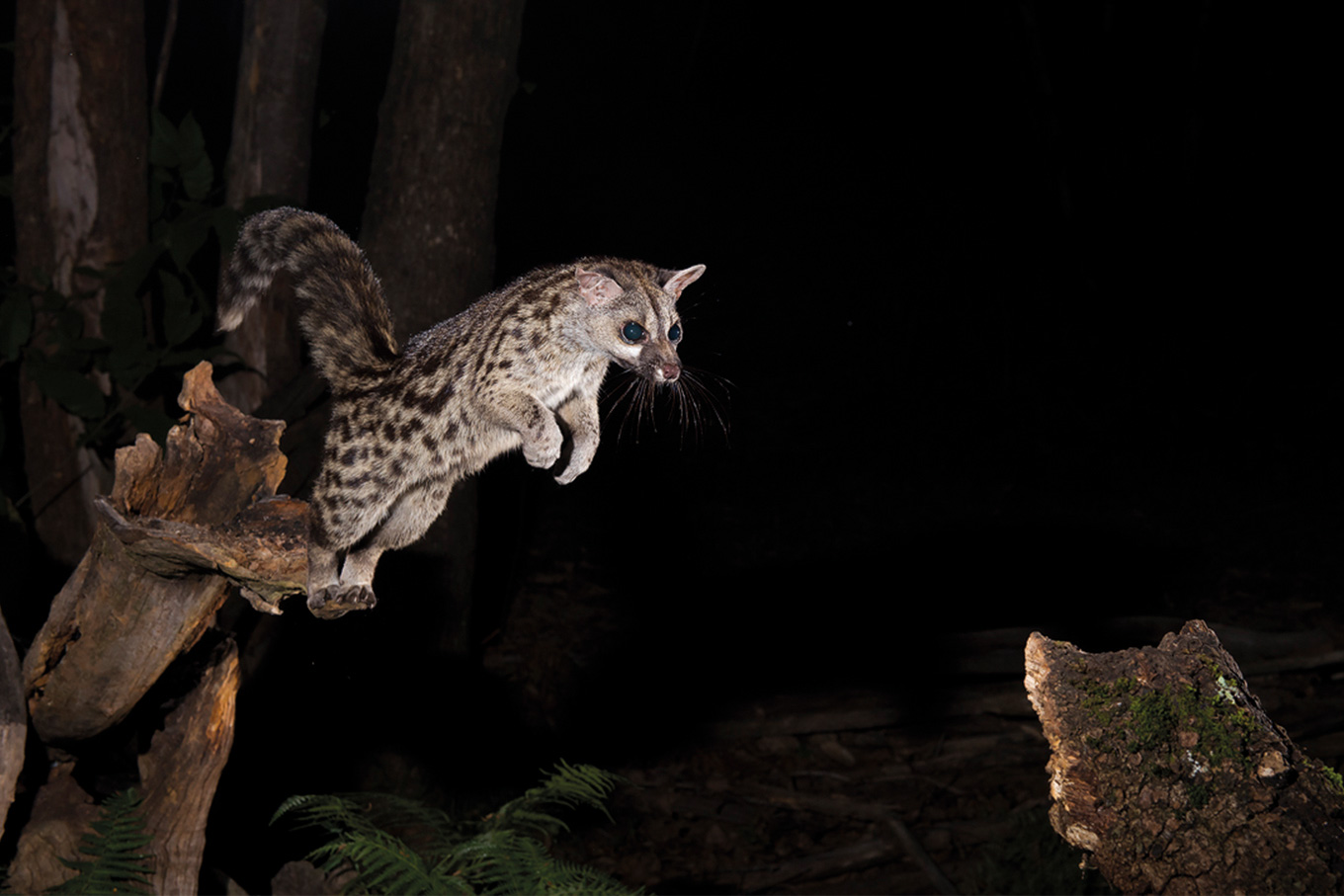
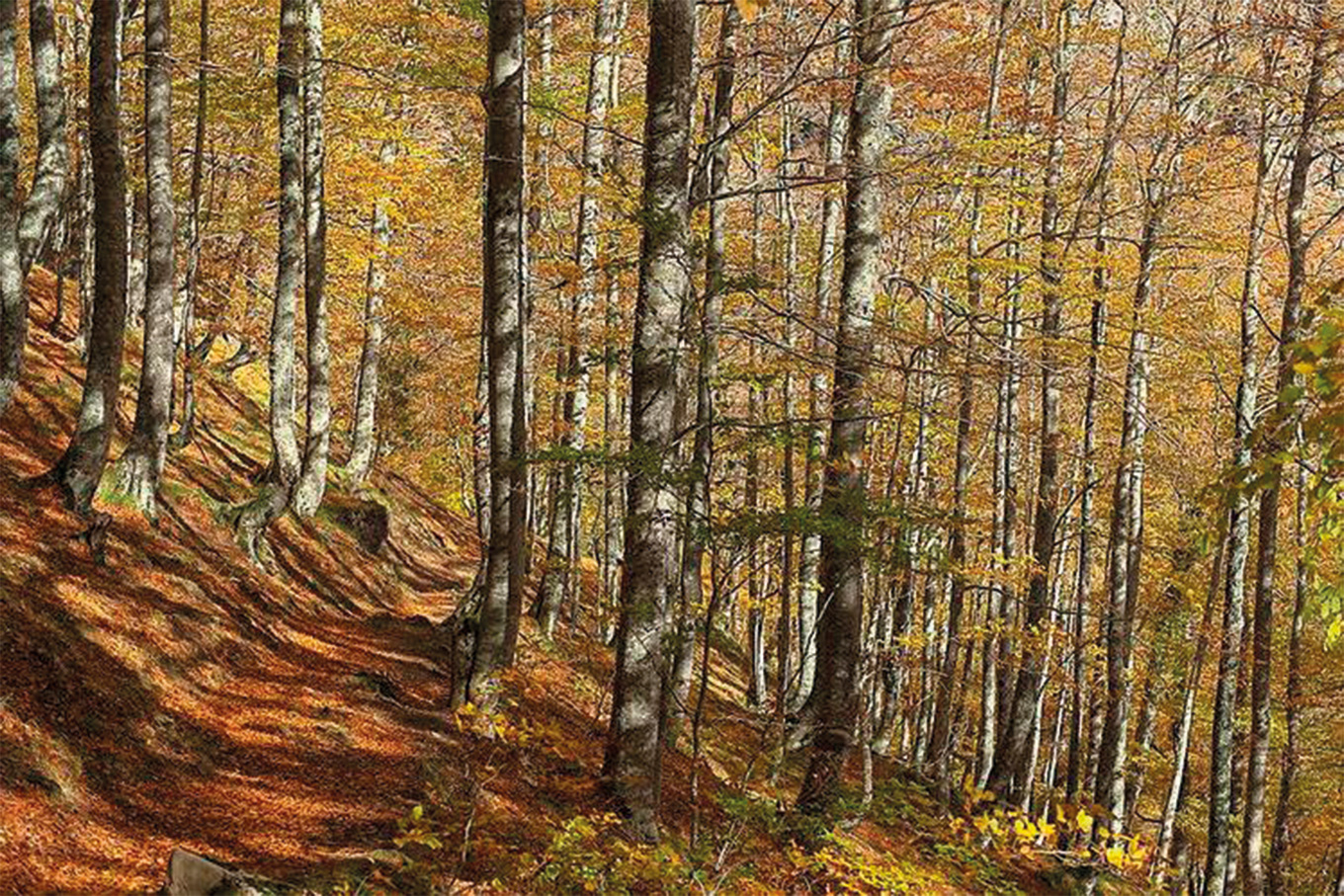
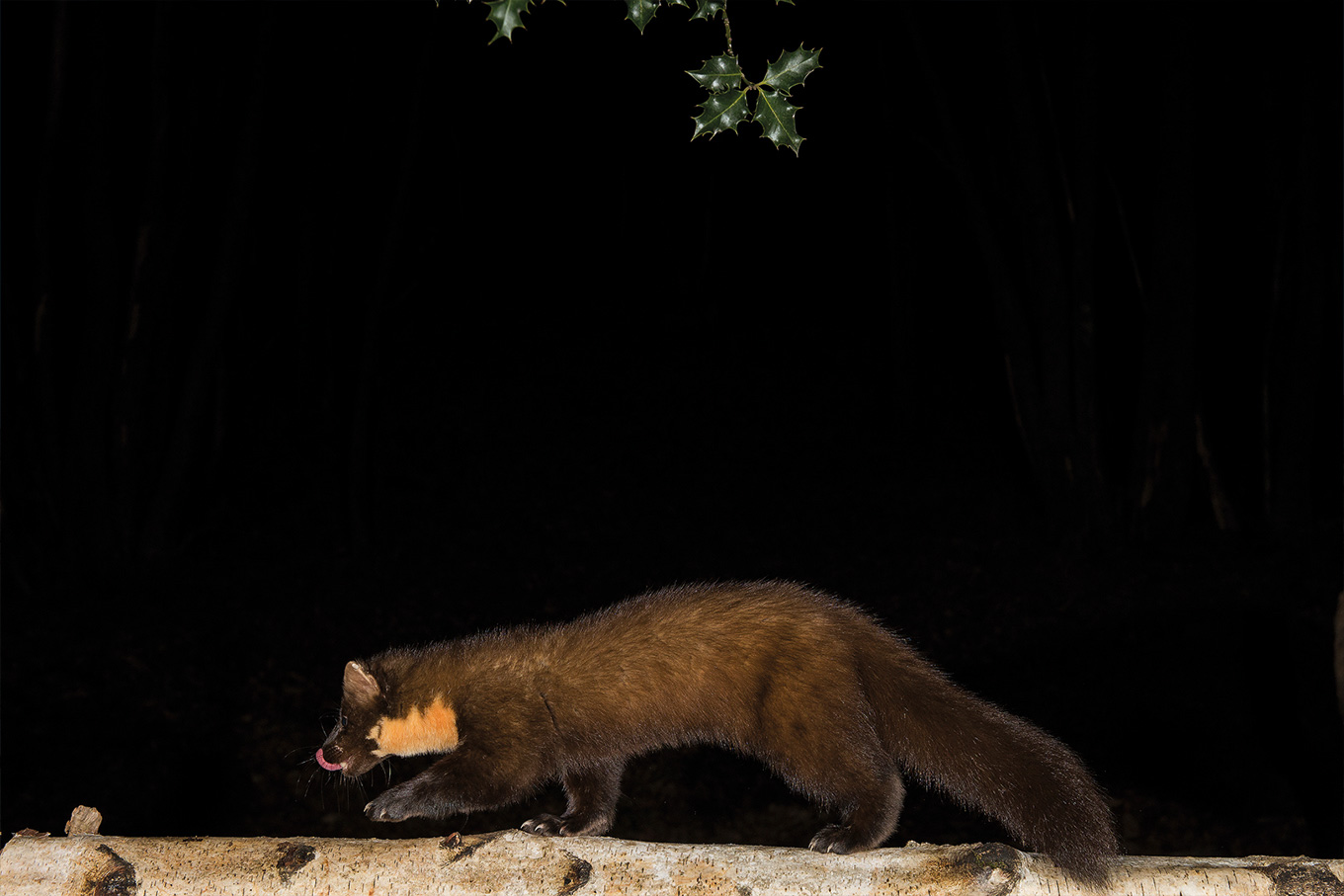
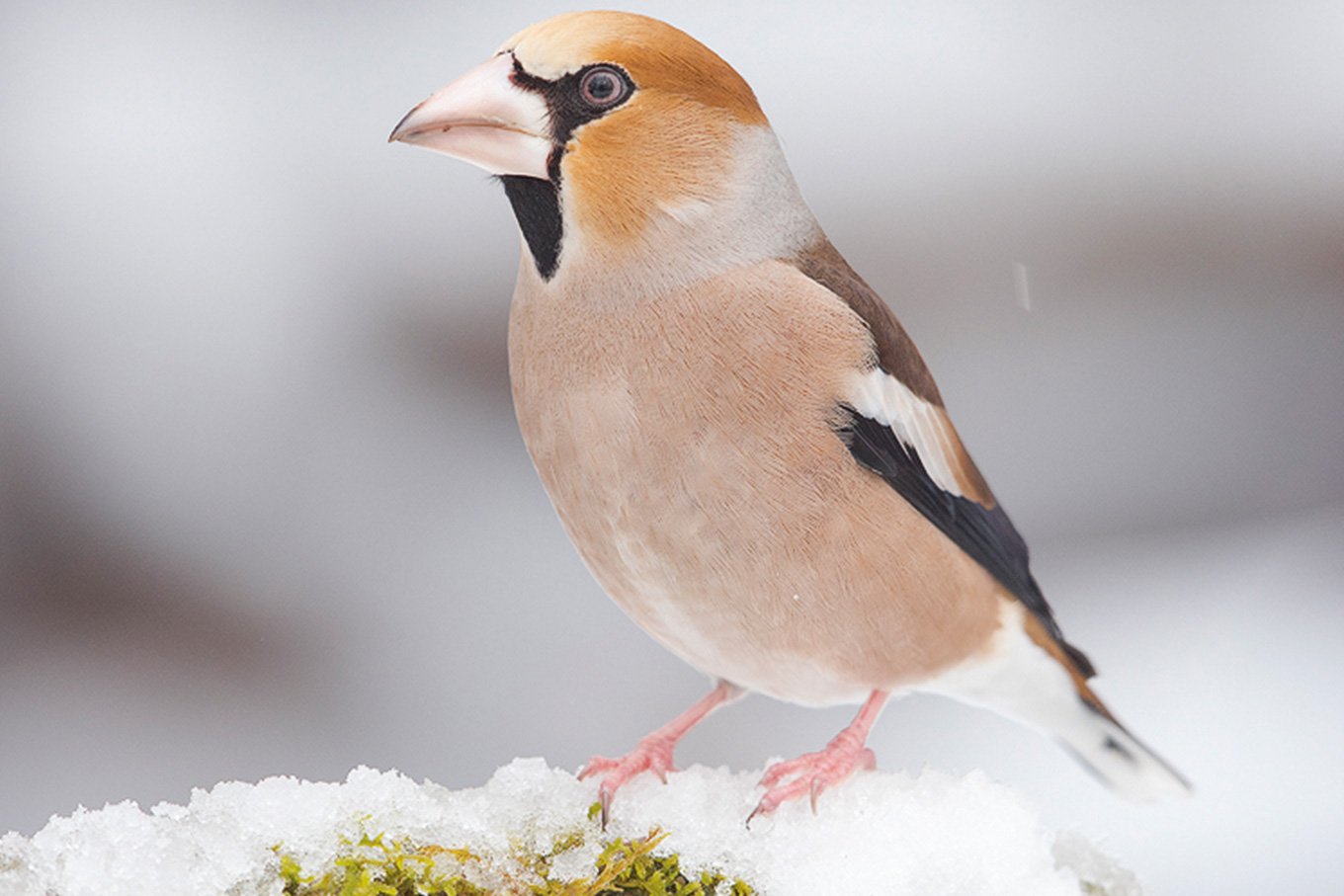
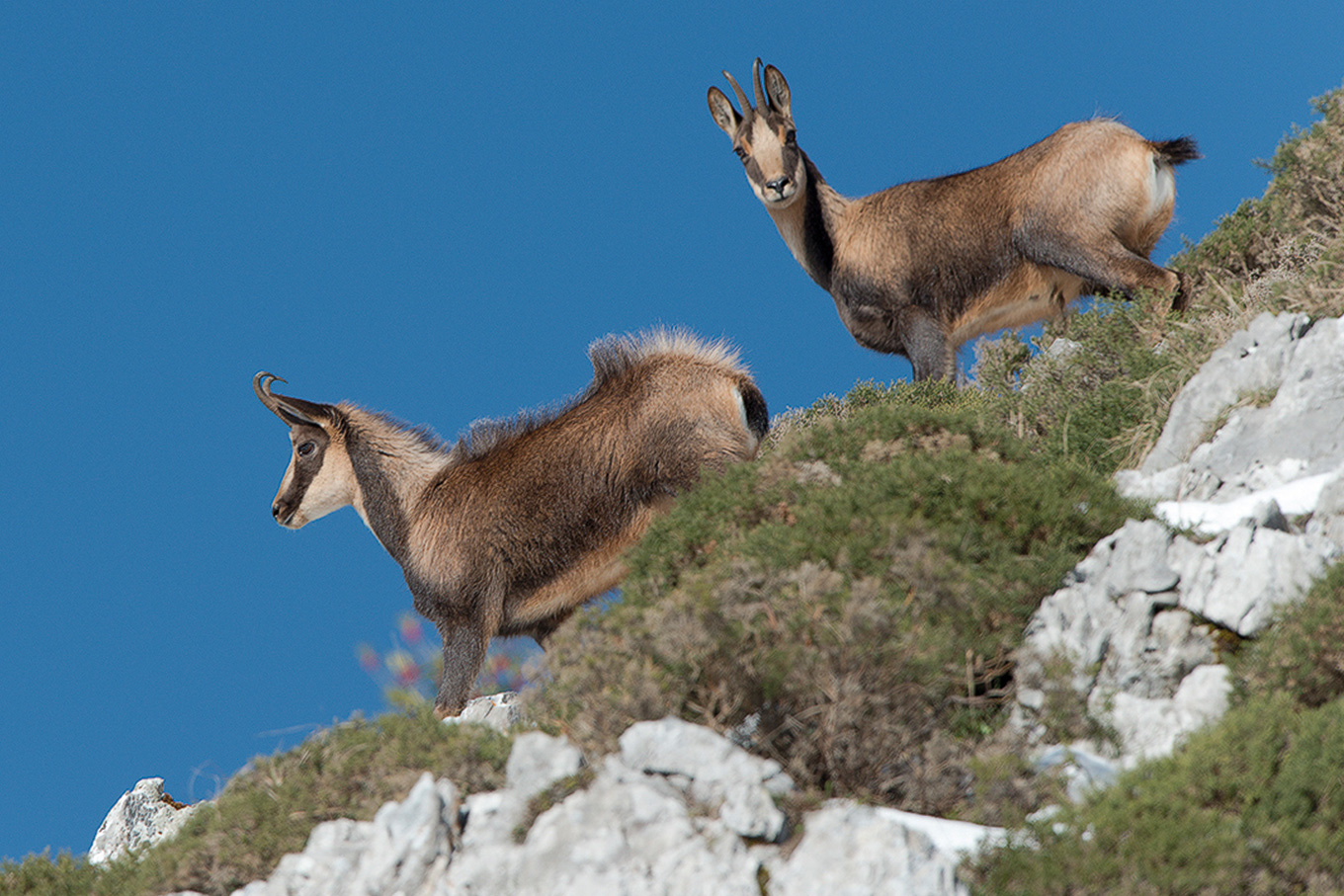
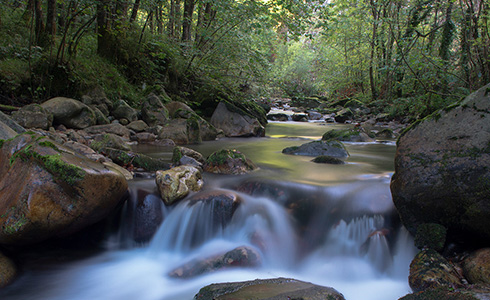
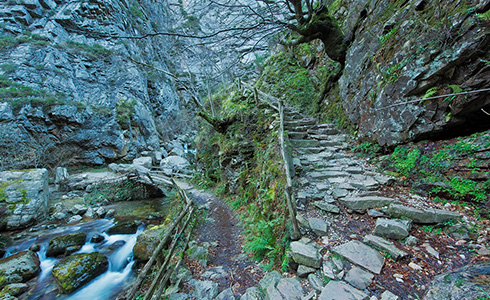
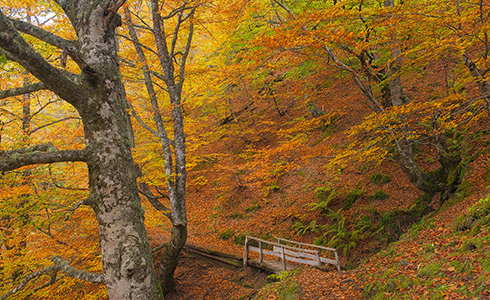
Hiking, mountaineering, cycling, or simply enjoying a well-deserved rest are easily achievable if you stay in the Redes Natural Park. The fauna and flora are especially rich: the quintessential tree is the beech, which coexists with holly, yew, oak, chestnut and hazelnut trees. The fauna allows, with a bit of luck and plenty of patience, for the hiker to spot some roe deer, deer, wildcats and even wolves and bears. With autumn, between mid-September and October, the rutting season for the deer begins: it is the time of the berrea, a loud, guttural sound emitted by the male deer to mark its territory and attract females. The berrea is an indescribable auditory and visual spectacle. To witness it, we only need to head to a place outside the village at dusk or dawn, walk in silence and sit in a spot with the wind in our face, where we can remain unnoticed and wait patiently.
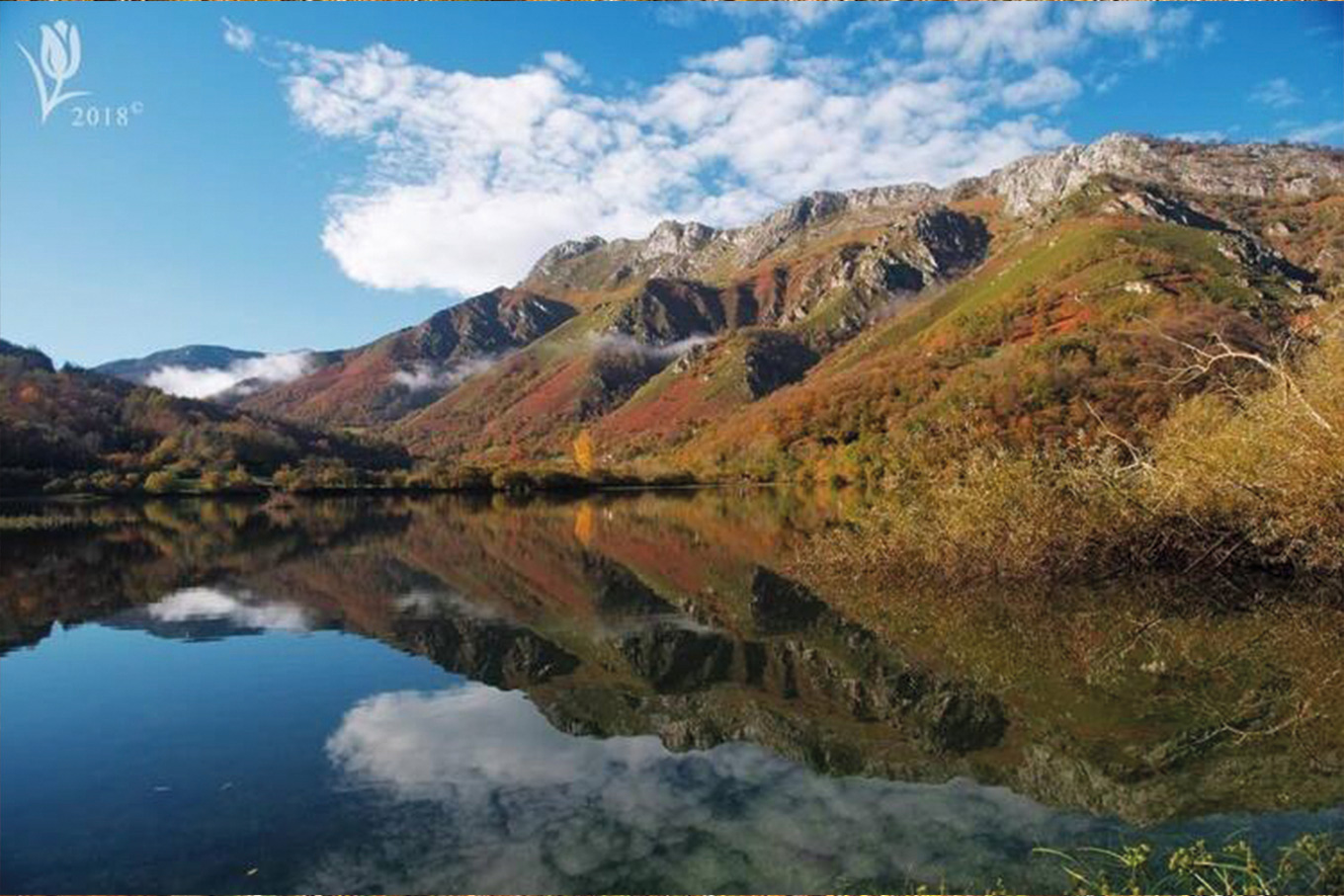
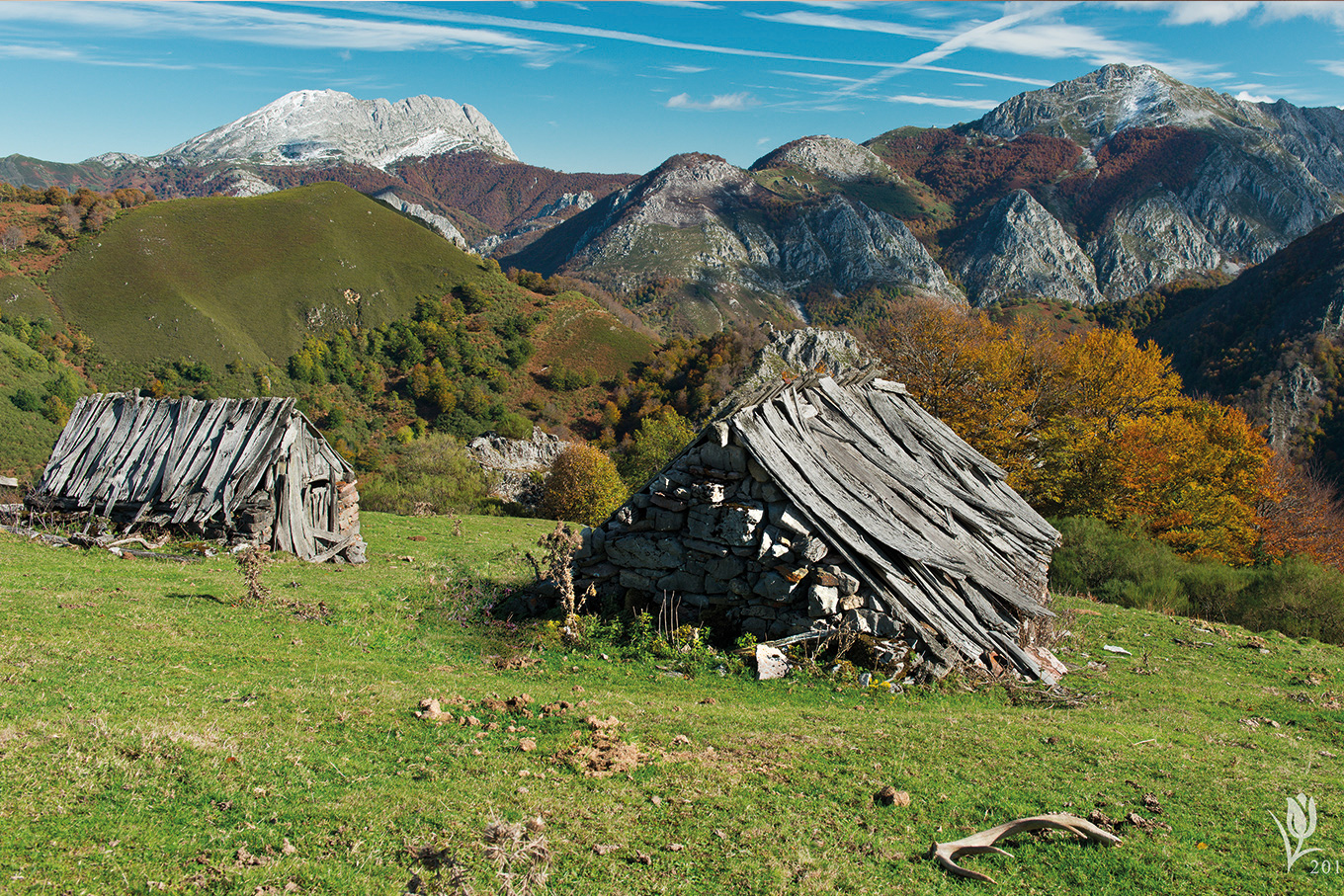
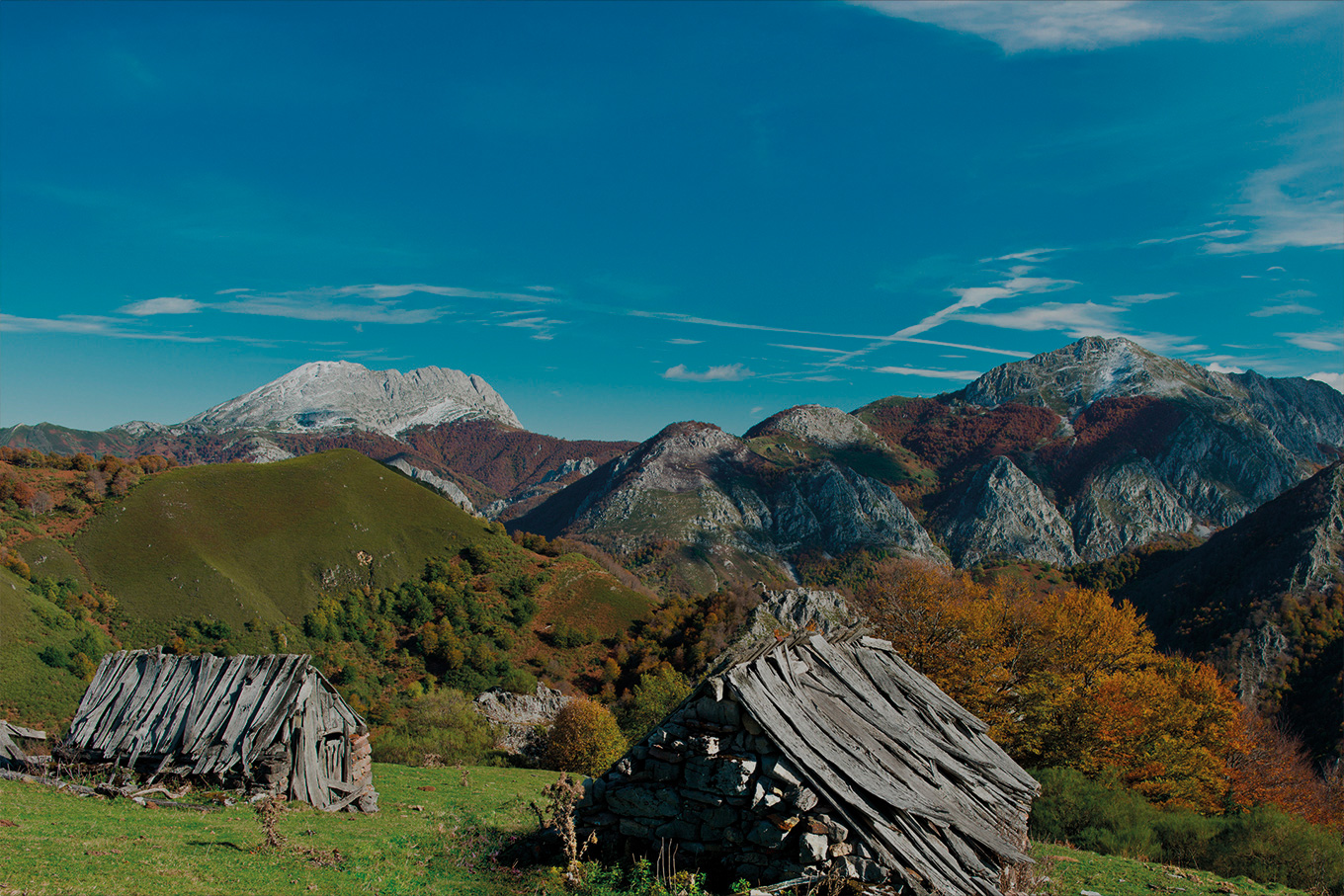
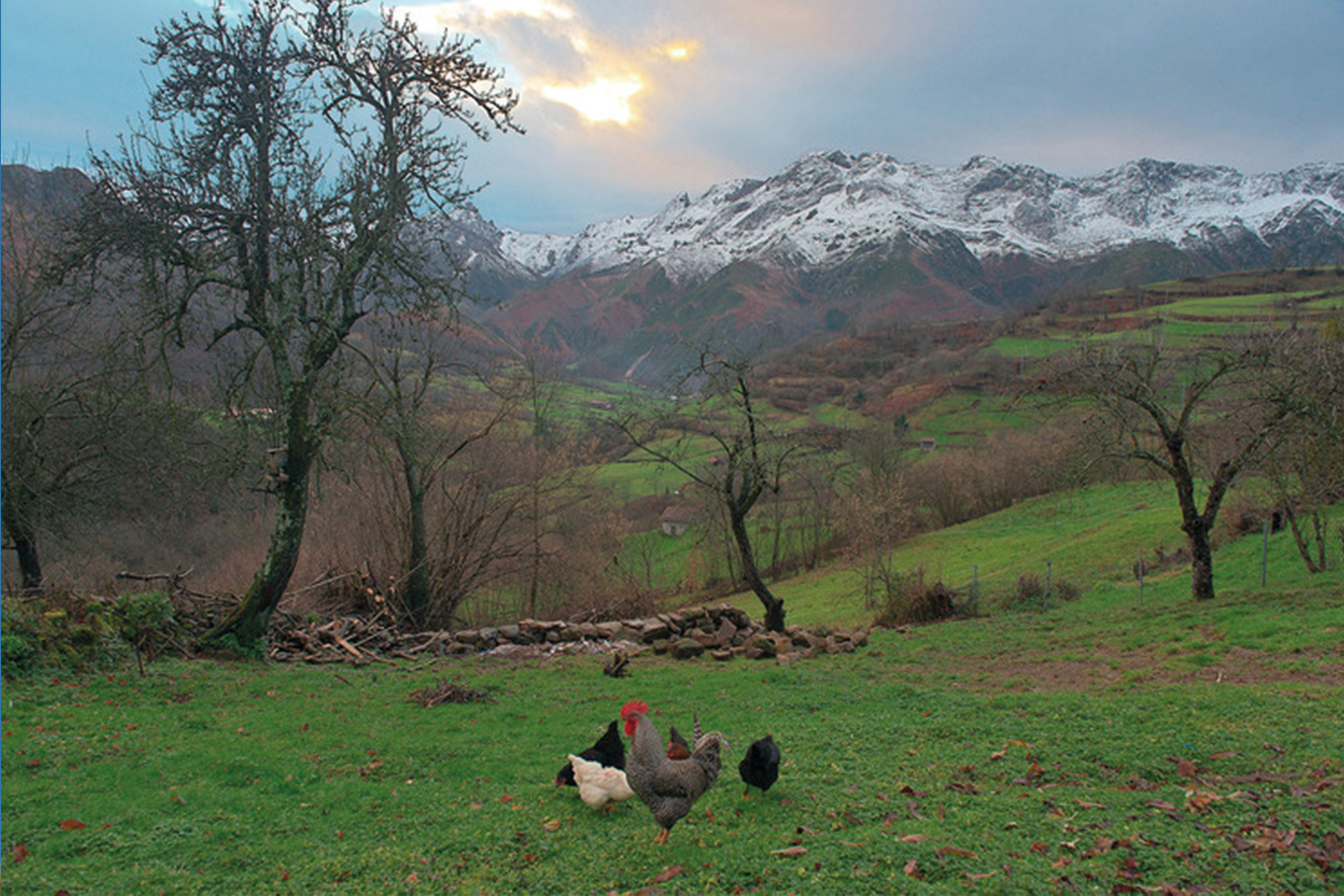
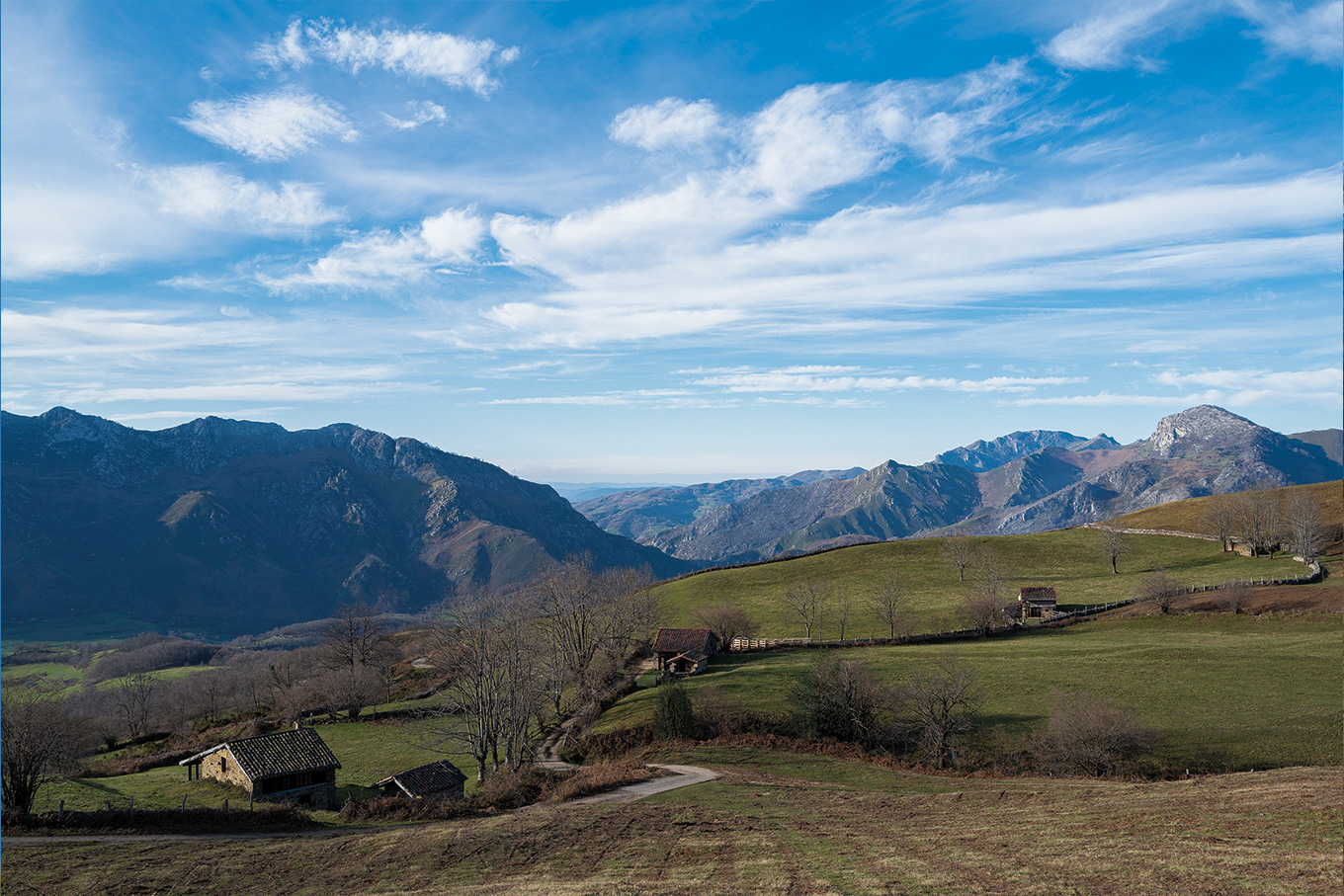
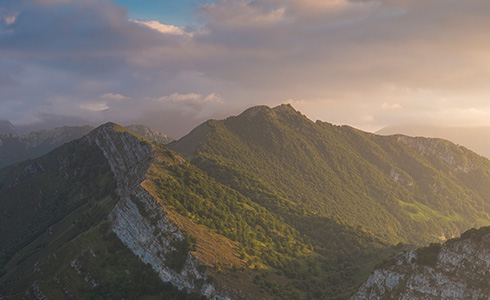
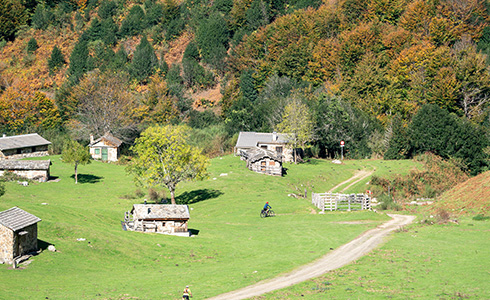
Campiellos is a small rural village made up of a collection of traditional houses, with their porches, galleries, stables, granaries and a chapel. The villagers gather and are warned of danger by the sound of a bell (llamar a conceyu). It is unclear how old this bell is, as the elders of the place have always remembered it. Campiellos is located on a mountain slope and this privileged position allows the village to enjoy sunlight all day long. Besides it offers wide views of Rioseco reservoir and the surrounding mountains, with Peak Retriñón standing out.
Rioseco is the capital of Sobrescobio municipality. Its landscape is defined by Torrexón of Villamorey (which can be accessed through an easy hiking route) and the reservoir, which has a birdwatching observatory.
The neighbouring municipality of Caso, which together with Sobrescobio forms the Redes Natural Park, is equally beautiful and offers great opportunities for nature lovers.


La Xamoca can also be a gift! It is very easy: just tell us the details and we'll send you a beautiful gift voucher to surprise someone special.